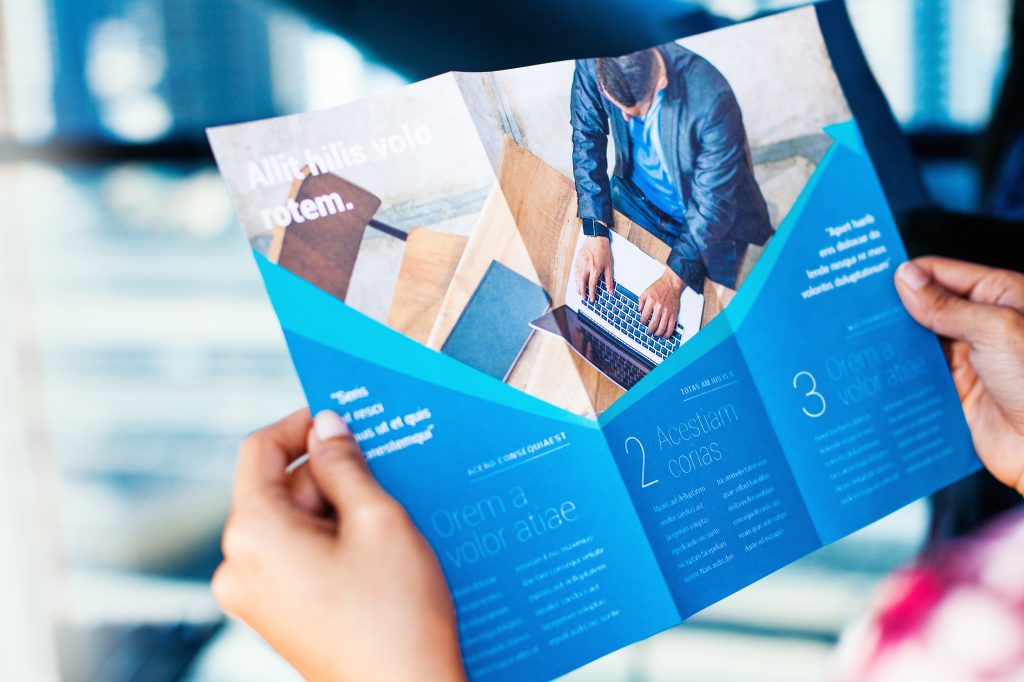
A successful brochure starts with great brochure design. While professional printing plays an important role, the design of your brochure determines whether readers stop, engage with your message, and take the next step.
Effective brochure design combines marketing strategy, strong visual communication, and thoughtful organization. Every choice—from the layout and typography to the images and call to action—works together to tell your story and reinforce your brand.
Whether you’re creating a brochure for a trade show, sales presentation, or direct mail campaign, this guide will walk you through the brochure design process from concept to completion.
Define Your Brochure Design Goals
Before you open your design software or begin writing content, define what your brochure needs to accomplish.
Ask yourself:
- Who is your audience?
- What problem are you solving?
- What action should readers take?
- Where will the brochure be distributed?
Every successful brochure design starts with a clear objective. Understanding your audience helps determine everything from the amount of information you include to the images and tone you use.
Organize Content for Better Brochure Design
One of the biggest mistakes in brochure design is trying to include too much information.
Instead of filling every available space, organize your content into logical sections with descriptive headings, concise copy, and supporting images. Good brochure design guides the reader naturally from one section to the next without feeling cluttered or overwhelming.
A simple structure often works best:
- Introduce the problem.
- Present your solution.
- Highlight your advantages.
- End with a clear call to action.
Well-organized brochure design makes information easier to understand while creating a more professional appearance.
Create a Brochure Design That Reflects Your Brand
Your brochure should immediately feel like an extension of your business.
Professional brochure design incorporates consistent colors, typography, photography, and branding to create a cohesive visual identity. These elements build trust while making your company more recognizable across all of your marketing materials.
Professional graphic designers understand how to balance visual appeal with readability, marketing strategy, and print production. They know how to organize information, create effective layouts, and prepare artwork that produces outstanding printed results.
A professionally designed brochure communicates credibility before your customer reads the first sentence.
Choose the Right Fold for Your Brochure Design
Different brochure folds serve different purposes, and choosing the right one is an important part of effective brochure design. Each fold organizes information differently and creates a unique reading experience for your audience. Common brochure fold styles include:
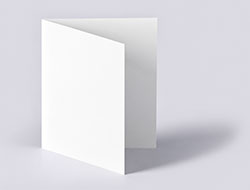
Bi-Fold
A bi-fold brochure creates four panels and works well for company overviews, product catalogs, and sales presentations. Its simple layout makes it easy for readers to follow your message.
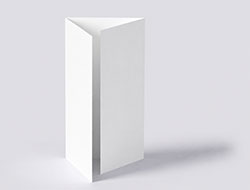
Tri-Fold
One of the most popular brochure layouts, a tri-fold creates six panels that naturally organize information into sections. It's ideal for introducing services, highlighting benefits, and ending with a strong call to action.
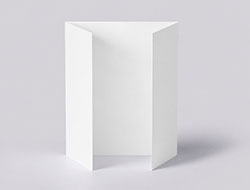
Gate Fold
A gate fold opens from the center like two doors, creating a dramatic reveal inside. This style is often used for premium products, special events, and high-impact marketing pieces.
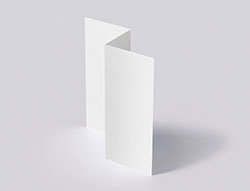
Z-Fold
A Z-fold brochure unfolds in a zigzag pattern, making it perfect for step-by-step information, timelines, processes, or product comparisons.
Prepare Your Brochure Design for Professional Printing
Professional brochure design doesn’t end when the layout is finished. Before a brochure goes to print, the artwork must be prepared correctly to ensure every piece looks professional.
Production details include:
- Bleed – Extends artwork beyond the trim edge so no white borders appear after cutting.
- Safe Areas – Keeps important text and logos away from the trim edge to prevent accidental cutting.
- Image Resolution – Uses high-resolution images (typically 300 dpi) to produce crisp, professional printing.
- Color Consistency – Converts colors appropriately for commercial printing so the finished brochure matches your brand.
- Margins and Typography – Ensures text remains readable and properly aligned throughout the brochure.
Addressing these production requirements into account early helps prevent expensive reprints and ensures your brochure looks as good in print as it does on screen.
Choose Paper That Complements Your Brochure Design
The paper you choose is just as important as the layout, colors, and images. Different paper stocks create different impressions, influencing how customers feel about your business before they even begin reading.
Common paper options include:
- Gloss – Produces vibrant colors and sharp images, making it a popular choice for product brochures and marketing pieces with lots of photography.
- Matte – Reduces glare while creating a smooth, professional appearance that’s easy to read and ideal for service businesses.
- Uncoated – Offers a natural, textured feel that works well for brochures that need a more personal or handcrafted look. It is also easy to write on.
- Heavy Cover Stock – Adds durability and gives your brochure a more substantial, premium feel, making a strong first impression.
The best paper for your brochure design depends on your brand, your audience, and how the brochure will be used. Choosing the right stock helps reinforce your message and creates a more memorable experience for potential customers.
Common Brochure Design Mistakes to Avoid
Too Much Text
Poor Quality Photography
Weak Visual Hierarchy
Fonts That Are Too Small
Crowded Layouts
Missing Calls to Action
Inconsistent Branding
Your brochure should match the rest of your marketing materials. Using different colors, fonts, logos, or messaging can weaken your brand identity and make your business appear less professional. Consistent branding builds recognition and helps customers remember your company.
A well-planned brochure design combines clear messaging, professional visuals, and thoughtful organization to create a marketing piece that works. Working with an experienced graphic designer before the project goes to print can help you avoid costly mistakes and produce a brochure that represents your business professionally while encouraging customers to take action.
Why Professional Brochure Design Makes a Difference
Anyone can arrange text and images on a page. Professional brochure design takes a more strategic approach.
An experienced designer understands how to organize information, guide the reader’s attention, reinforce your brand, and prepare files that produce excellent printed results. The goal isn’t simply to create an attractive brochure. It’s to create one that supports your marketing objectives and encourages people to take action.
Professional brochure design is an investment in your company’s image, helping every brochure communicate quality, credibility, and attention to detail.
Ready to Start Your Next Brochure Design Project?
A professionally designed brochure does more than share information—it builds credibility, reinforces your brand, and encourages customers to take the next step. Whether you’re introducing a new product, promoting your services, or updating an existing brochure, Redmond Imaging Solutions can help you create a brochure that’s attractive, informative, and designed to get results.
Brochures serve as vital marketing tools, offering businesses a concise and visually appealing way to showcase their products, services, and brand identity. In this comprehensive guide, we’ll navigate through the process of bringing your brochure from concept to creation, ensuring it captivates your audience and leaves a lasting impression.
Step 1: Define Your Objectives and Audience
Before delving into design and printing, clarify the purpose of your brochure and identify your target audience. Ask critical questions such as: What message do I want to convey? What action do I want the reader to take? Understanding these objectives informs every aspect of the brochure, from content to distribution strategy.
Step 2: Plan Your Content and Layout
Outline the content and structure of your brochure, determining the key information you wish to communicate. Organize content into sections or panels for clarity and flow, utilizing headlines, bullet points, and imagery to enhance readability and visual appeal.
Step 3: Design Your Brochure
Develop a design based on your brand identity, incorporating brand colors, fonts, and imagery for a cohesive look. Pay attention to typography, spacing, and alignment to ensure a professional appearance, leaving space for essential contact information and calls to action. Of course, we are happy to help with these design needs if you do not have a designer available to you.
Step 4: Choose Printing Specifications
Select printing specifications that meet your needs and budget, considering factors such as paper type, size, folding options, and quantity. Glossy or matte finishes, along with specialty coatings, can enhance visual appeal and durability. Work with your printing provider to determine the best printing method for your project.
Step 5: Proofread and Finalize
Thoroughly proofread content for errors and accuracy, enlisting feedback from colleagues or stakeholders. Once confident, finalize your brochure for printing.
Step 6: Print and Review
Send your brochure to print, ensuring color accuracy and print quality upon receipt. Review the final product carefully.
Step 7: Distribute and Promote
Distribute brochures through various channels such as direct mail, trade shows, or networking events, incorporating them into your overall marketing strategy. Track response rates and feedback to measure effectiveness and inform future efforts.
Conclusion
Printing customized brochures is a strategic and effective way to promote your business. By following this guide, you can create brochures that engage, inform, and inspire your audience. With careful planning and the right printing partner, you can elevate your brand and drive business growth through customized brochures.